

Detention facilities for Women
INSPIRATIONAL PRACTICES
Across Europe, women and mixed-gender detention facilities are experimenting with approaches that respond to the specific needs of residents. These facilities focus on safety, support, and creating environments that are adaptable and inclusive for women and diverse groups. While not all of the facilities presented here are “prefect” detention houses, we highlight them as inspirational practices because they materialize one or more principles of small-scale, differentiated and community-integrated detention houses. They have been compiled as examples to illustrate innovative and effective ideas that may be useful to consider when implementing a new detention house for women.
RESCALED database of Inspirational Practices
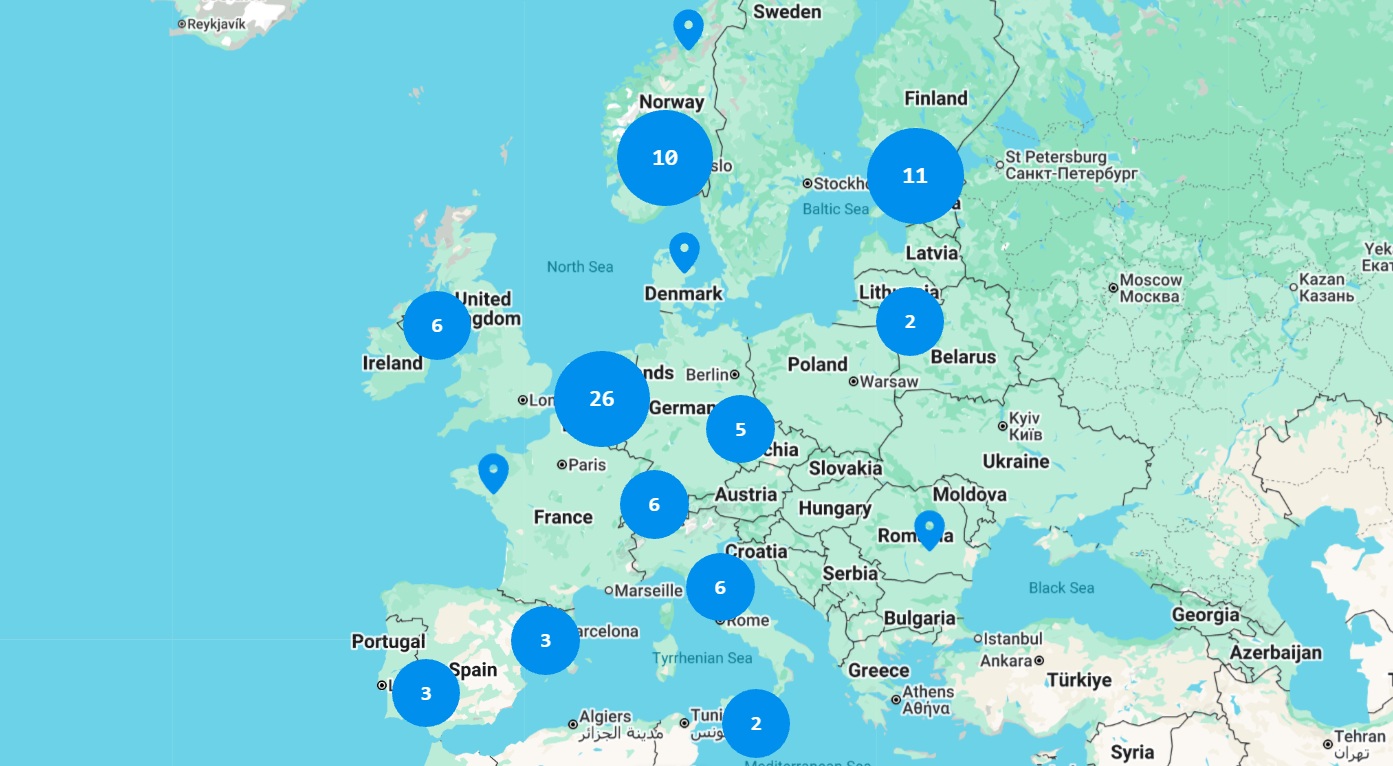
The RESCALED Inspirational Practices database presents examples of detention houses intended to inspire the design and operation of small-scale, differentiated, and community-integrated detention houses. The practices included are considered inspirational because they reflect one or more of these core principles, even though they do not necessarily represent a fully developed or ideal detention house.
The database brings together initiatives from various European countries, highlighting innovative and effective ideas that may be useful when developing new detention houses, including those for women. As legal frameworks and institutional contexts differ across countries, the relevance and feasibility of these practices may vary. Users are therefore encouraged to consult the accompanying information and, where appropriate, the relevant authorities for further details.
facilities specifically focused on WOMEN
The Community Custody Units
The Community Custody Units (Scotland) in Dundee and Glasgow demonstrate how trauma-informed practice can be embedded throughout a custodial environment for women. Although they remain part of the formal prison system, CCUs are designed to “look, feel and operate differently” from traditional prisons, offering smaller, community-based residential settings where safety, empowerment, choice and collaboration guide daily interactions. Staff receive extensive training in trauma-informed approaches and reflective practice, enabling them to recognise and respond to trauma, build trust, and co-produce support plans with residents.
Hope Street
Hope Street, a facility in the UK run by the One Small Thing NGO, is a good example of including People with Lived experience from the start of the implementation of a facility. Women with lived experience of the justice system were directly involved in designing the facility, including the layout, programs, and daily routines. For instance, they requested lots of open space and large windows to enjoy natural light and views of the outside, while ensuring privacy from outsiders—an element staff noted they would not have thought of on their own.
Halbe Treppe
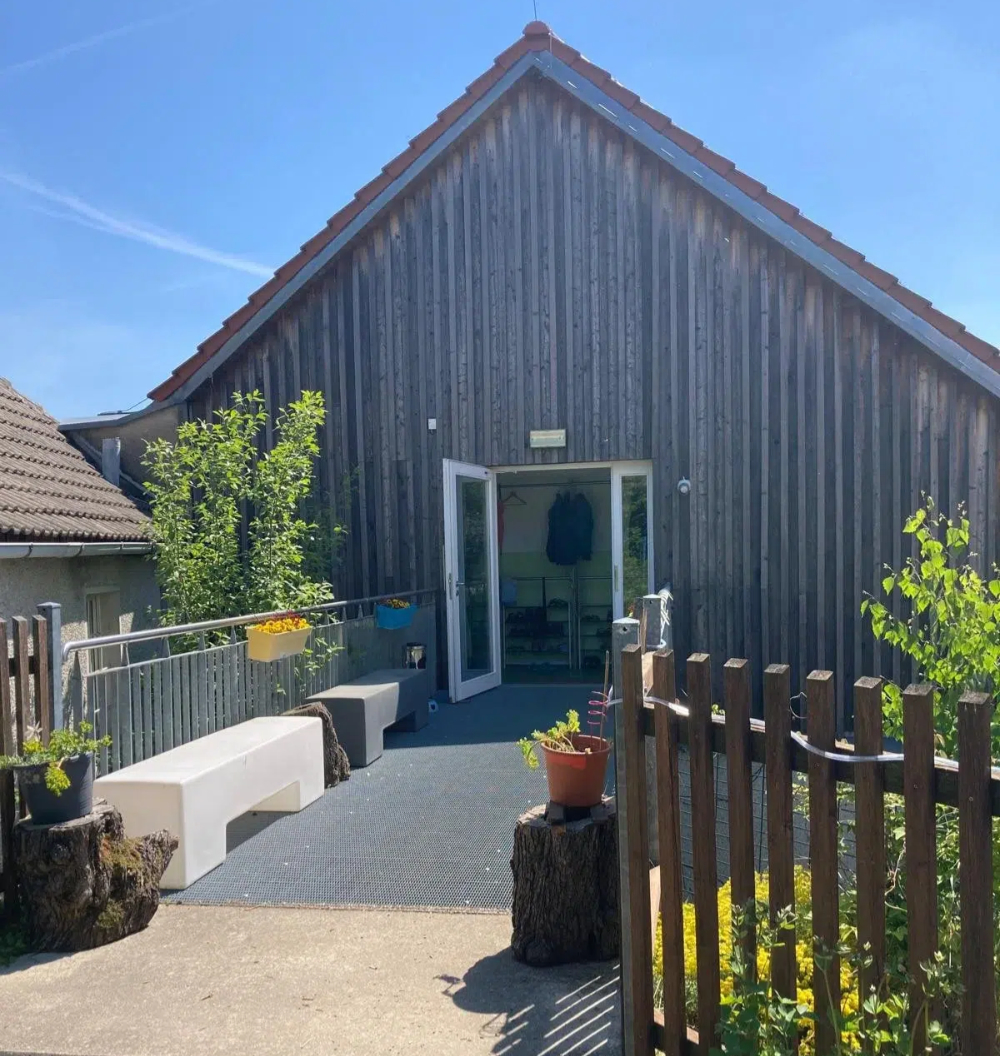
Halbe Treppe (Germany) is a facility managed by the NGO Outlaw gGmbH where women can be placed while serving a custodial sentence. The facility is highly flexible and adapts to the needs of each resident, with a strong focus on relational security rather than control. Women live together in a homelike environment, hold keys to their own rooms, and structure their daily routines with significant autonomy, while staff provide personalised support and guidance.
Řepy Prison
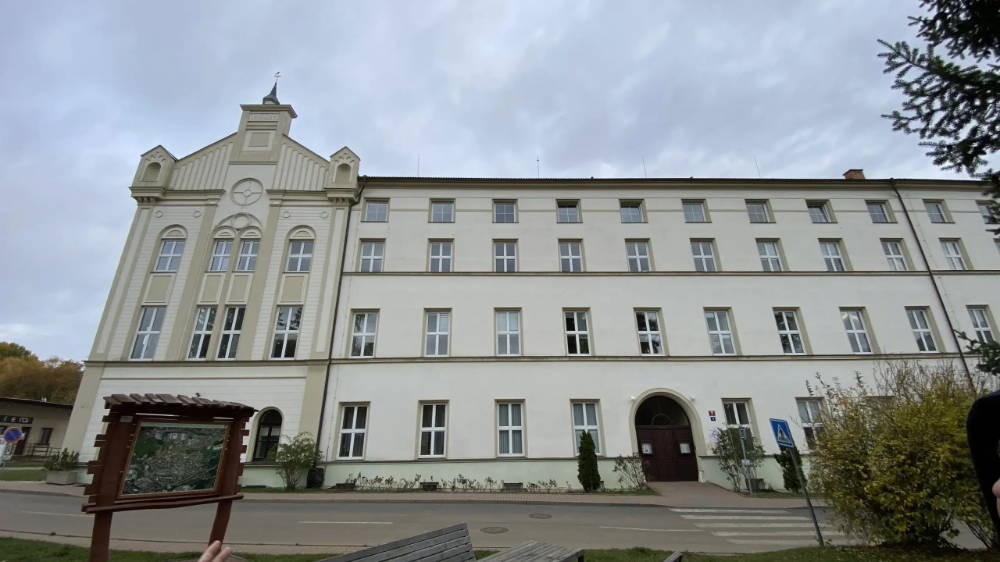
At Řepy Prison (Czech Republic), women are encouraged to engage in meaningful activities as part of their daily routine, which may include work or study. One of the key opportunities available to some residents is the long-standing partnership with the St. Karel Boromejský home for the elderly. Through this collaboration, women can work at the facility, assisting with daily care tasks, or pursue a nursing course to prepare for more skilled roles. This arrangement not only helps meet staffing needs in the community but also allows the women in detention to gain work experience, build valuable skills, and strengthen their sense of purpose and connection beyond the prison walls. Sadly, the facility is expected to close in the near future, which will bring an end to this meaningful partnership.
Ferme Emmaüs Baudonne
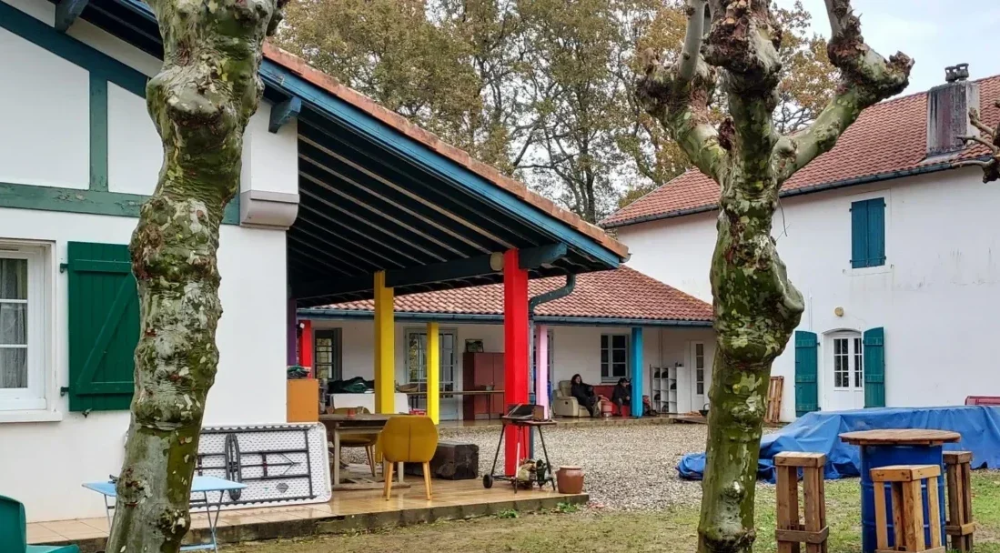
Ferme Emmaüs Baudonne (France) is an agroecological farm managed by the NGO Emmaüs, which operates several similar facilities across France under the placement extérieur (external custodial placement) legal framework. Women serve the final part of their custodial sentence at the farm, where they work through a labour-integration contract in organic market gardening and take part in the daily running of the site. Security is grounded in trust and relational practice rather than traditional prison controls, and staff and volunteers provide personalised support to help residents rebuild autonomy, social connections, and stability before release.
Tus Nua
Tus Nua (Ireland) is an example of a facility that prioritizes mental health assessments over traditional risk assessments, providing a more complete understanding of each resident’s needs. This approach allows staff to tailor support and interventions to each individual, rather than focusing solely on risk management. For instance, if a resident experiences a relapse related to drug or alcohol use, this does not automatically result in returning to prison. Staff carefully consider the circumstances and adopt an individualized approach to determine what best supports that person’s needs.
Vanaja Unit and Mothers Unit of Palma
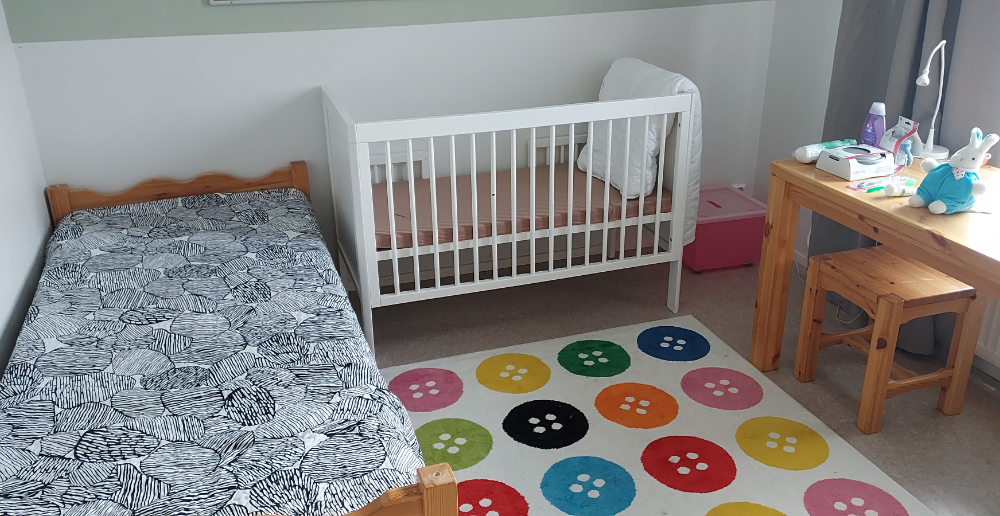
The Vanaja Unit (Finland) and the Mothers Unit of Palma (Spain) illustrate two different organisational approaches that nonetheless share a strong mother-child focus. Vanaja is an open prison for women managed by the Finnish Prison Administration, accommodating around 57 residents. Within the facility, one dedicated house is reserved for mothers—or fathers—with their children; this unit is operated by an NGO, allowing for a more flexible, family-centred approach within the broader custodial structure. In contrast, the Mothers Unit of Palma in Spain is managed by the Spanish Prison Administration and accommodates only 22 mothers living with their children. Both facilities prioritise the wellbeing of the child and tailor daily routines, support plans, and interventions to the individual needs of each family.
Mixed-gender facilities:
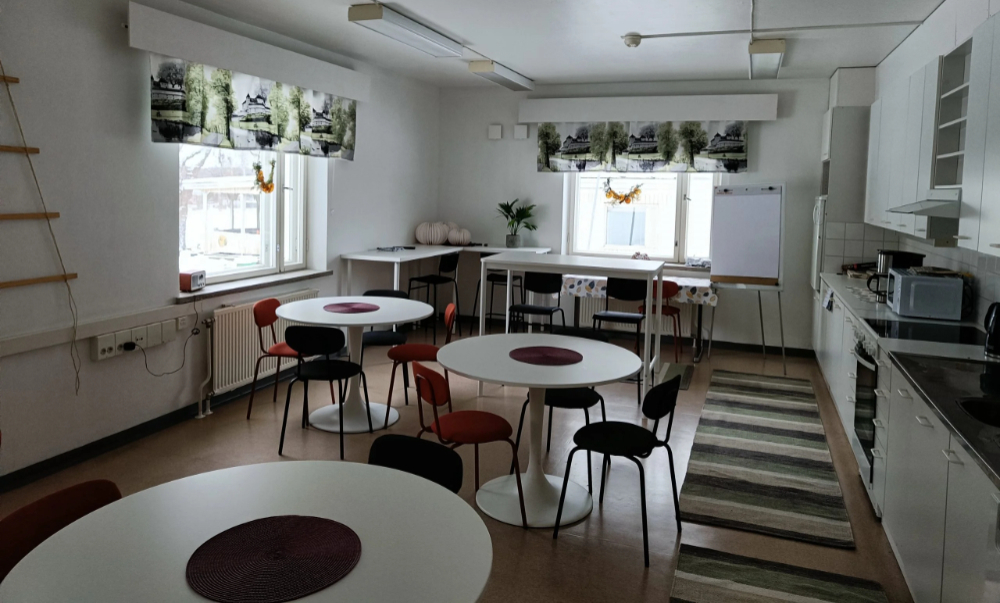
If the goal is to replace all prisons with detention houses and place people—especially women—close to the communities where they will live after release, there is also a need for mixed-gender facilities.
At the international level, many transition houses follow a similar approach, such as in the Netherlands (managed by Exodus), Spain (managed by APP), Finland (managed by Silta) and Lithuania and Norway (managed by the prison administrations). All of these facilities are mixed-gender but include individual bedrooms, shared common spaces, and a focus on reintegration through work, study, and other meaningful activities. While each transition house differs according to country-specific rules and structures, they all support residents in preparing for release in a safe and structured environment.
In Belgium and Switzerland, some facilities accommodate men and women within the same facility while providing specific safeguards for women’s safety and privacy. In Switzerland, this often takes the form of flexible spaces for women, such as a separate hallway with individual rooms and a dedicated common area, which can be used by men when no women are present. In Belgium, there are currently three detention houses, and only one, located in Kortrijk, accommodates both men and women. In this facility, people are divided into different living groups, one of which focuses on women and includes a separate common living room and kitchen.
Share your inspirational practices
We invite practitioners, policymakers, and organisations to share more inspirational practices. By contributing examples, case studies, or lessons learned, we can build a collective resource to improve detention houses for women.