Voices of Resilience
WOMEN SHAPING JUSTICE
Justice reform must be shaped by the people who have lived its realities — and for women in detention, those realities are often overlooked, misunderstood, or entirely absent from decision-making.
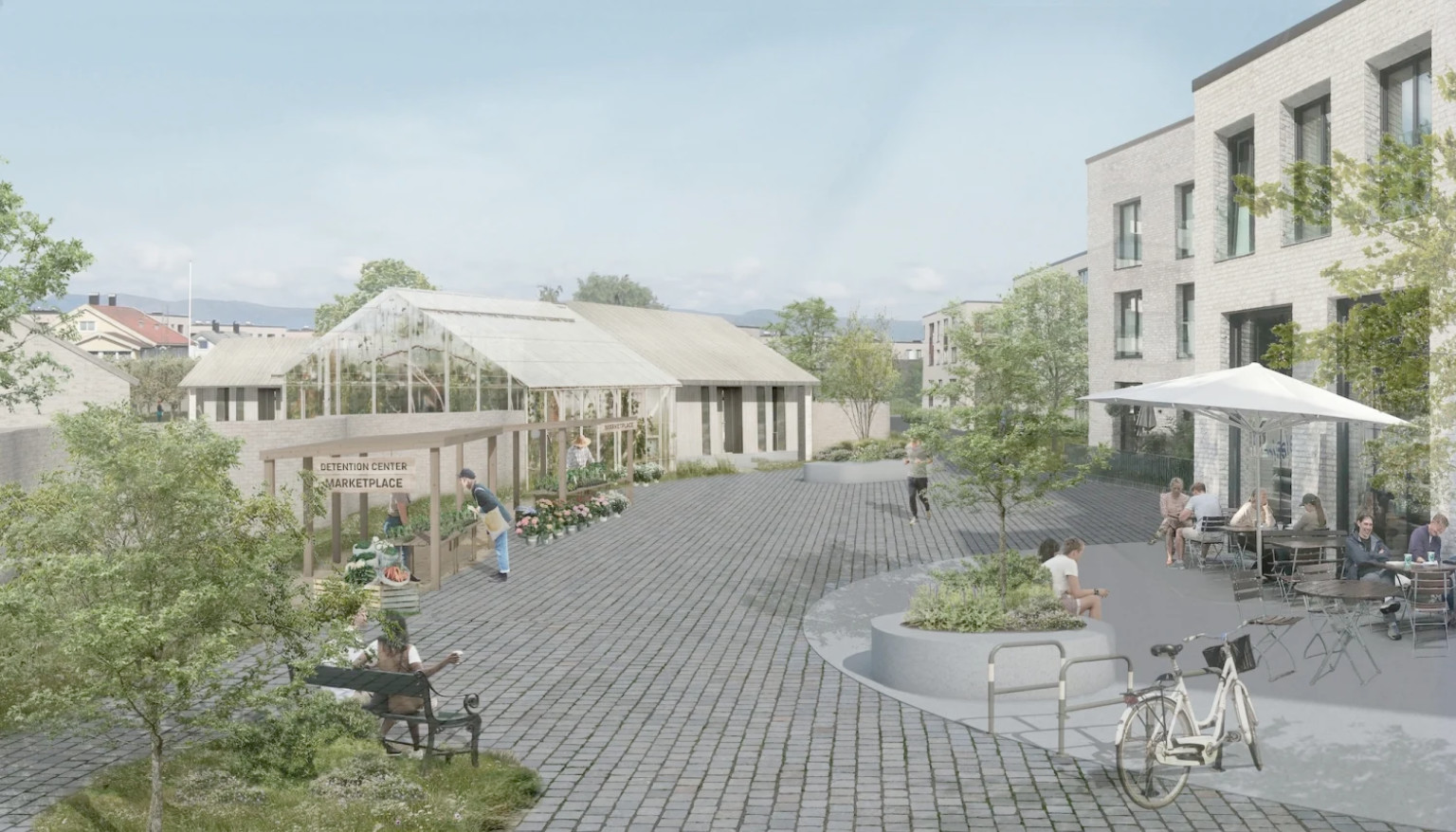
This page brings together the voices and expertise of women who have experienced detention, the people who work alongside them during and after detention; survivors who have experienced harm and who, in various ways, also feel the effects of incarceration; and children and family members of incarcerated people. These are not stories told about women, but reflections shared by women and those directly connected to their journeys - highlighting the specific challenges, strengths, responsibilities, and forms of resilience that emerge in systems never designed with their needs in mind. By listening to this diversity of lived experience, we deepen our understanding of what dignity, connection, and meaningful support truly require, and why small-scale, differentiated and community-integrated detention houses are essential for shaping justice with, for, and by women most affected.
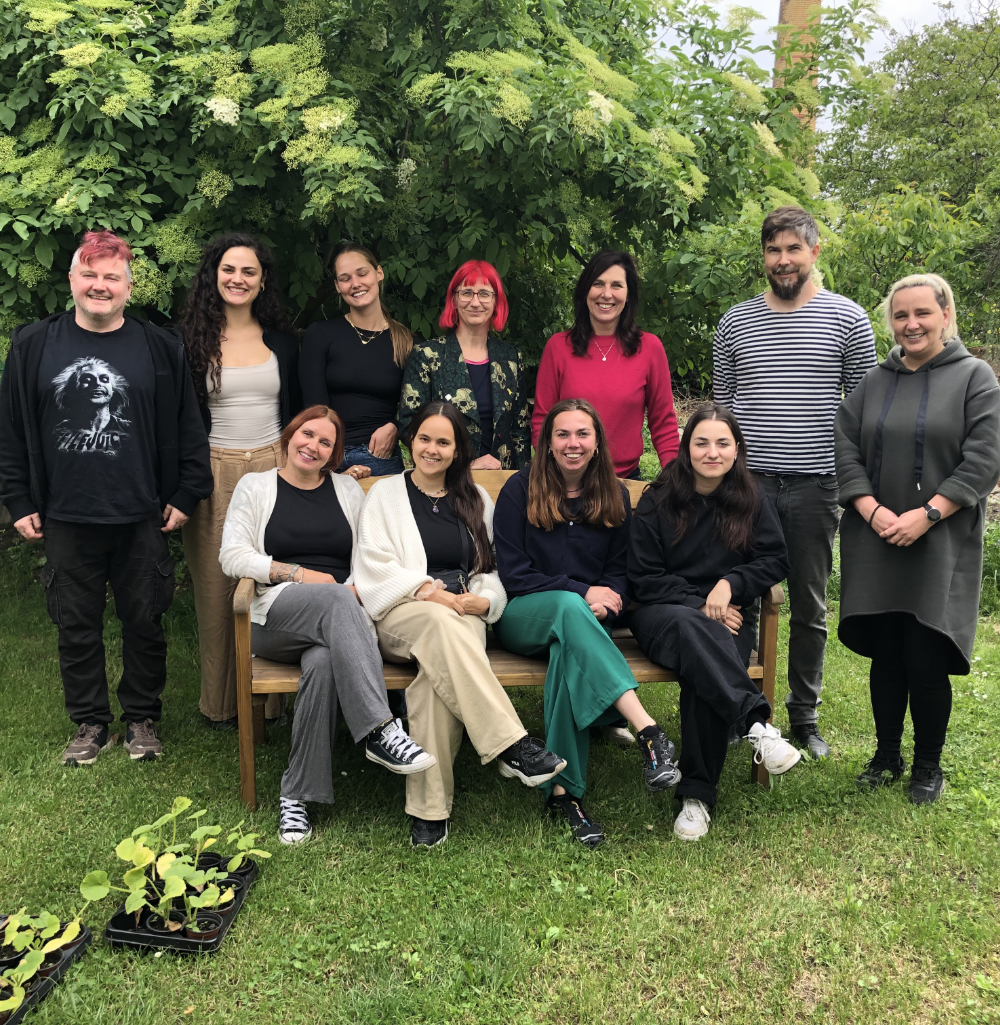
Kristie Clelland interviewed by Jana Smiggels Kavková
Trauma-informed care for women in Scottish CCU’s
Kristie Clelland of the Scottish Prison Service is a highly experienced Unit Manager at HMP & YOI Stirling, where she oversees a Community Custody Unit (CCU) for women. She was interviewed by Jana Smiggels Kavková (RUBIKON Centrum) at the round table “Women and Detention Houses – The Scottish Experience” in Prague. In the interview, Kristie describes the challenges many women in custody face. Many have experienced singular or complex trauma, including domestic, violent, and financial abuse. They often have unstable accommodation, substance use concerns, and carry feelings of guilt and stigma that affect their confidence and self-esteem. Kristie explains that CCUs operate as trauma-informed environments. Staff are trained to understand trauma, recognize triggers, and build positive relationships. The units are small and residential rather than custodial, with open spaces and green areas. Women live independently in shared houses, planning, budgeting, and cooking for themselves to support their transition back into the community.
PODCAST
Women in Finnish detention: a policy perspective
In this interview, Maarit Suomela, Project Manager for Silta, speaks with Marjo Reinikainen, an expert in criminal sanctions and social work in Finland, about policies and practices concerning women in Finnish detention. Marjo holds a Master of Social Sciences from the University of Tampere and a Master of Applied Criminology, Penology and Management from the University of Cambridge. Since 1999, she has held various roles within the Finnish Prison and Probation Service, including client work, management, risk and needs assessment, and international projects. Most recently, she served as project manager for Finland’s Women Prisoners’ Project and now guides the development of prison and probation practices for female offenders.
The discussion focused on Finland-specific policies and practices, including the main challenges women face in detention, differences between men’s and women’s needs, gaps in current policies, and examples of effective, trauma-informed, and restorative approaches. They also explored the role of small-scale, community-integrated detention houses versus traditional prisons, opportunities for reintegration, and potential policy developments to better support women in Finnish detention.
Let’s Talk RESCALED podcast - COMING SOON!
You can listen to previous episodes on Spotify here
Let’s Talk RESCALED, the podcast where we dive deep into the heart of justice reform. Hosted by Noa Shoshan and brought to you by RESCALED, a European Movement advocating for detention houses as an alternative to large prison institutions.
In each episode, we explore the concept of detention houses instead of large prison institutions, shedding light on the voices, stories, and ideas that are transforming the landscape of justice across Europe and beyond.
Scotland’s new approach to women in custody
You can also watch and listen on YouTube here
In this interview, John Docherty, Deputy Governor at the Scottish Prison Service, explains how the development of Scotland’s Community Custody Units (CCUs) began. He describes how a series of critical inspection reports highlighted a lack of investment and the absence of a clear strategy for women in custody, who make up a small proportion of the prison population. This led the Scottish Government to establish the Commission on Women Offenders, whose 2012 recommendations, known as the Angiolini Report, became the starting point for change. John explains that early plans to build a single national women’s prison were later cancelled following a change in political direction in 2015. Instead, the government challenged the Scottish Prison Service to deliver a “transformative and world-leading” approach. This led to international consultation, research, and the development of a new strategy that resulted in HMP & YOI Stirling and the Community Custody Units. He outlines that the new approach is based on two key concepts: it must be gender-specific and trauma-informed. This means recognising women’s different pathways into offending and the high prevalence of trauma among women in custody. These principles informed the physical design of the units, staff training, daily practice, and the involvement of women with lived experience throughout the development of the strategy.
Publications
Maarit Suomela, Development Director, Silta-Valmennusyhdistys ry, Finland
From custody to community: structural challenges for incarcerated women in Finland
This article examines the structural challenges faced by incarcerated women in Finland and the persistent gap between detention and the community. Drawing on nearly three decades of experience in prison administration and civil society, Maarit reflects on how prison systems designed primarily for men often fail to address women’s specific needs, particularly in relation to trauma, motherhood, and access to support after release.
In her reflection, Maarit highlights the importance of trauma-sensitive work, staff training, and trust-based interaction, as well as the role of NGOs in supporting continuity of care beyond prison. While acknowledging positive developments such as gender-specific facilities and family units, she argues that small-scale, community-integrated detention houses could better support women’s reintegration.
Read her full reflection on why humane, connected approaches to detention are essential for supporting women’s transition from custody to community.
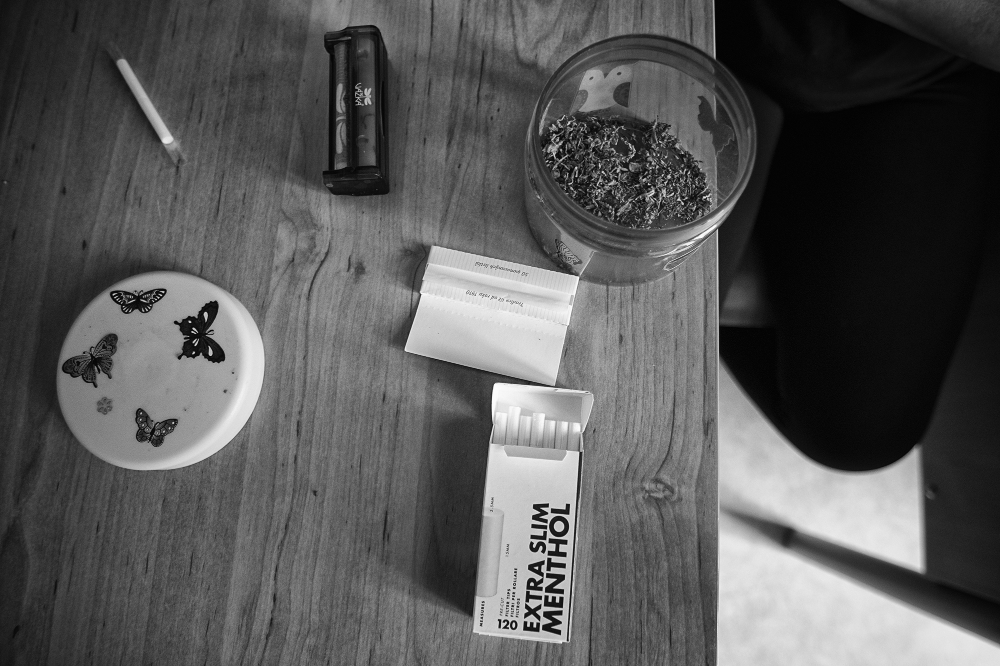
MS. N.
From large prisons to personal responsibility: Life in a small-scale facility in Repy
This article highlights the experience of a woman in custody in a small-scale facility, offering insight into how a different approach to imprisonment can affect daily life and personal development. Ms. N., a 47-year-old woman serving a first sentence in Řepy, describes the environment as peaceful, quiet, and more like a workers’ hostel than a traditional prison. She emphasizes the importance of trust, meaningful work, and opportunities to maintain routines that support readiness for life outside. Ms. N. reflects on the contrast between large, traditional prisons, where noise, crowding, and limited staff make it difficult for people to engage meaningfully, and smaller facilities that allow for personal responsibility and humanized treatment. She explains how the regime in Řepy allows people to maintain daily work habits, participate in activities, and feel respected as individuals rather than numbers. According to her, this environment helps people adapt to life in the community after release.
Read her full reflection on how small-scale facilities can provide people in custody with a more supportive and structured environment, enabling them to regain routines, work skills, and social confidence before returning to society.
Janita, Lead Instructor, Silta-Valmennusyhdistys ry, Finland
Staff perspective on supporting women in Finnish prisons
This article highlights the importance of trauma-sensitive, gender-specific work with incarcerated women. Drawing on her eight years of experience, Janita reflects on the everyday realities of women in prison and the structural inequalities they face, from limited opportunities to influence their daily lives to unequal access to education and work. She emphasizes that even small changes, like improved food, meaningful activities, and a thoughtfully arranged environment, can strongly affect wellbeing. Janita also discusses the critical role of staff, noting that clear communication, trust, and stability are essential for creating safe spaces where women feel heard and respected. Open and small-scale facilities, she explains, allow for more interaction, autonomy, and support, helping women prepare for life after their sentence. She stresses that continuous staff training in trauma sensitivity, female specificity, and equality is key to supporting positive change.
Read her full reflection on how supportive staff, thoughtful environments, and small daily freedoms can make a meaningful difference in women’s lives during incarceration.
Ms. J.
Serving a sentence with trust and responsibility in Řepy
This article highlights how alternative, small-scale facilities can support women in serving their sentences with dignity, responsibility, and autonomy. Drawing on her own experience, Ms. J. reflects on how the facility in Řepy allows women to live with freedom and trust, while maintaining clear boundaries and obligations. Unlike traditional prisons, where surveillance and control dominate daily life, this environment prioritizes personal agency, human treatment, and preparation for life beyond incarceration.
In the interview, Ms. J. emphasizes how being treated as a person rather than a number helps women develop self-respect and responsibility. She explains how simple freedoms, deciding when to eat, shower, or spend time in the garden, combine with structured work and daily routines to create a rehabilitative environment. For her, facilities like Řepy are not only about serving a sentence; they are about fostering the skills, confidence, and mindset needed to reintegrate successfully into society.
Read her full reflection on how humane, flexible approaches to incarceration can better prepare women for life after prison.Written story women with lived experience.

Sonja Graansma
The voice of survivors in justice reform
This article highlights why the voices of survivors are essential in rethinking justice. Guided by the principle “Nothing about us without us,” Sonja argues that survivors must not be absent from conversations about the justice system. Precisely in the places where people serve their sentences, the need for recovery is immense, yet prisons today remain focused largely on punishment and survival, not healing or responsibility.
In the article, Sonja reflects on how one crucial perspective continues to go unheard: the voice of survivors. She explains how survivors' insights can contribute to building a society that is not only safer but also more just. For her, centering survivors’ experiences is not merely about recognition; it is about transforming a system built on retribution into one that truly fosters accountability, restoration, and healing.
Read her full reflection on why survivors’ voices must play a central role in meaningful justice reform.
Annelyn Smit - Not my Crime
Rethinking justice: our children are the future
This article explores the hidden effects of detention on children. Having grown up with a father who spent time in prison, Annelyn knows firsthand how invisible a child’s pain can be. Today, as she meets and listens to children who experience the same reality, she is struck by how little space there is for their voices, their confusion, and their grief.
In her article, Annelyn reflects on the emotional burden these children carry and how deeply they are shaped by a system that was never designed with them in mind. She shares her belief in the importance of connection between incarcerated parents and their children, and the work she does with Not My Crime.
She also asks a powerful question: What if justice looked different? Annelyn imagines how detention houses could bridge the gap between incarceration and family life, creating environments where children can remain children, and parents can remain parents.
Read her full reflection on why protecting our children must be part of rethinking justice.
LIVED EXPERIENCE AT THE CORE
Embedding Voices, Knowledge, and Expertise in the RESCALED Movement
The paper stresses the meaningful inclusion of people with lived experience, uniting diverse perspectives within one framework and centring the individual. It calls for lived experience to be embedded as a foundation for systemic change.