

WOMEN Knowledge Workspace
Detention houses, with, for and by, incarcerated WOMEN
Around the world, over 733,000 women live in prisons designed by - and for - men.
Their voices often go unheard, their specific needs ignored, their stories untold. But what if we changed our approach?
incarcerated women
Although women make up only 6.8% of the global prison population, their incarceration rate is rising faster than men's. They face additional challenges in systems that were never designed with their specific needs in mind. Women in detention may navigate complex responsibilities and circumstances that large-scale prison institutions often fail to address.
Today’s prison systems fail to serve society effectively. They are rooted in outdated models that no longer reflect today’s legal standards, social realities, and ethical principles. Maintaining large-scale prison institutions upholds a justice system in which some citizens are disproportionately affected and repeatedly excluded from society.
These systems isolate people from their communities, families, and the social connections they need to have/build meaningful lives. Instead of addressing underlying issues, large-scale prison institutions rely on a standardised, one-size-fits-all approach that ignores the different needs, circumstances and requirements of the people they house.

A gender-responsive and human-centered approach to deprivation of liberty
Detention houses for women
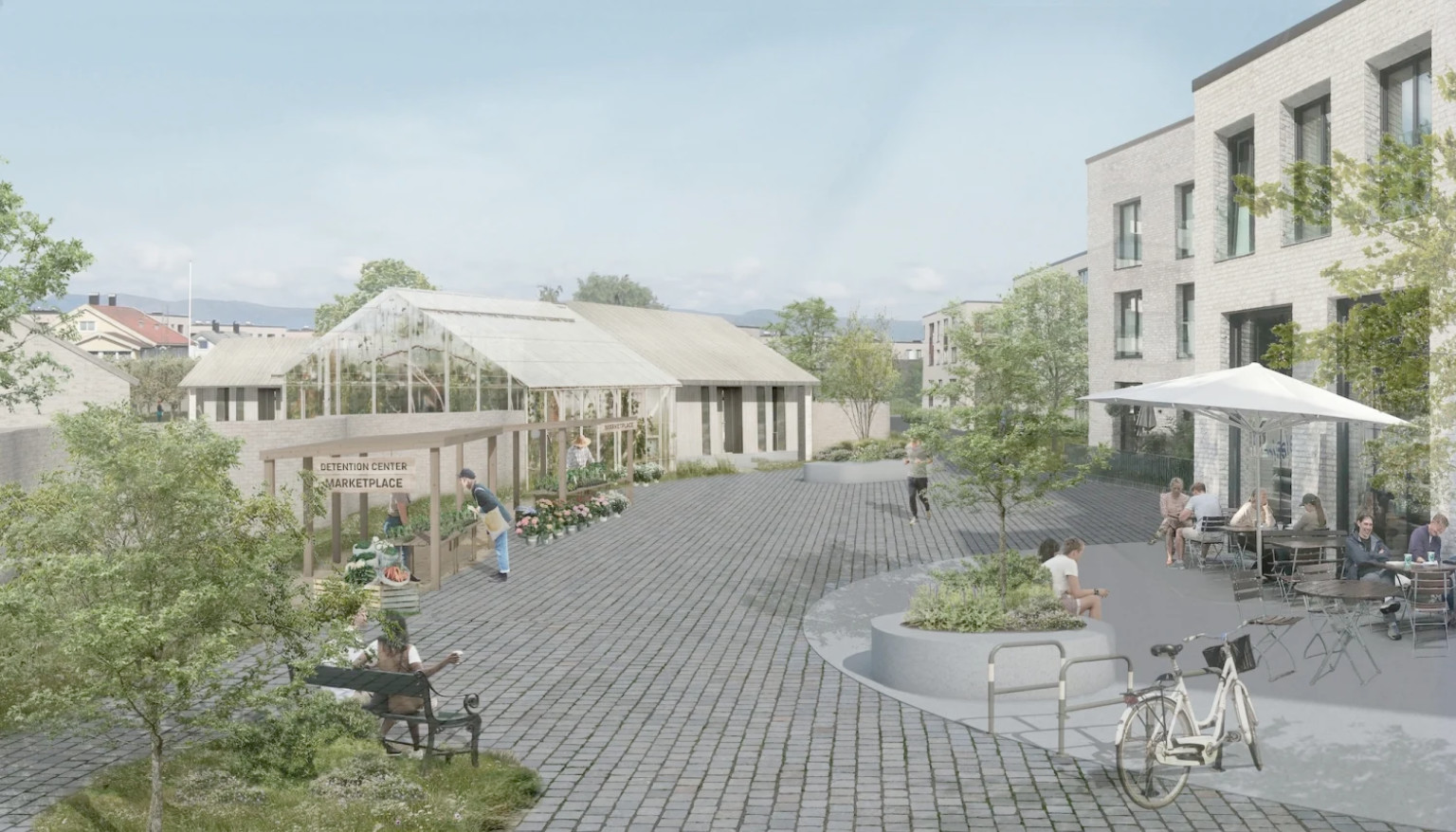
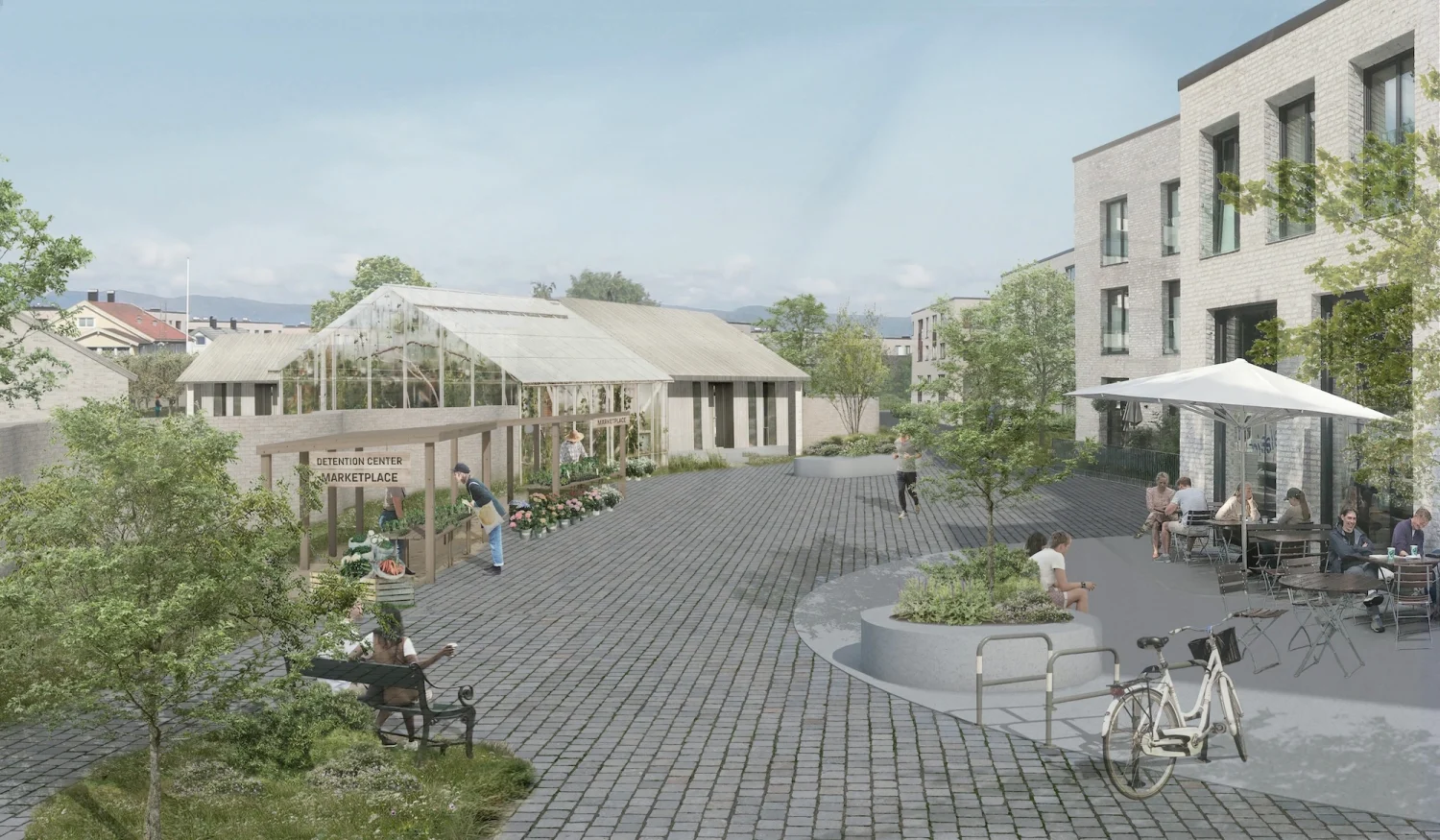
Detention houses offer an approach better suited to women’s specific needs, building on their core principles of small scale, differentiation, and community-integration.
About deprivation of liberty
Deprivation of liberty is intended to be proportional, time-limited, and purposeful. After serving their sentence, people should be able to return to society without additional harm, and the damage caused by the offence should be addressed.
In practice, this rarely happens.
Large-scale prison institutions tend to weaken social ties, disconnect people from their families and communities, and undermine the very conditions needed for successful participation in society. Rather than addressing the underlying drivers of crime, imprisonment is often applied as a standardised, one-size-fits-all response that overlooks individual needs, vulnerabilities, and capacities.
As a result, prison systems frequently perpetuate exclusion. They disproportionately affect people who were already marginalised before their sentence and often reproduce cycles of harm, reoffending, and social inequality. In this sense, today’s prison systems fail not only incarcerated individuals, but society as a whole.
Detention houses as a shift from paradigm of isolation to paradigm of integration
Why this failure affects women in particular
In addition to these systemic shortcomings, prison systems worldwide share a fundamental problem: they were originally designed by men and for men 5. As women constitute a minority of the prison population, their specific needs are often overlooked within this man-centric framework. The ‘one-size-fits-all’ approach fundamentally fails to provide a safe, humane, or rehabilitative environment for many incarcerated women.
Key challenges of incarcerated women:
Psychological and traumatic burden
- A large proportion of incarcerated women have experienced domestic violence, sexual abuse, or neglect during childhood.
- Mental health issues such as anxiety, depression, and post-traumatic stress disorders are more common among women in prison.
The role of motherhood and primary caregiving
- Most incarcerated women are mothers, often single parents.
- Imprisonment deeply affects both their children and their relationship with them - separation is traumatic for both sides.
Increased vulnerability and need for support
- Women serving sentences tend to be more emotionally vulnerable, have an understandable lower self-confidence, and need substantial support when reintegrating into society.
Different types of crimes
- Serious violent crimes are less common among women than among men.
- Women are more often convicted of property-related crimes (such as theft or fraud) or offenses linked to family care and survival.
Responding to women's needs
When women serve their sentence in a detention house, the approach can better reflect their specific needs and circumstances.
- Tailored support: Psychological counseling, therapy, education, employment training, and release preparation can be adapted to women’s needs, reducing stress and preventing retraumatization.
- Closer to home: Serving a sentence in the community allows women to maintain meaningful contact with family and children, supporting continuity in social and caregiving roles.
- Family-friendly environment: Small facilities can provide dedicated programs for mothers and facilitate family visits in a way that is often difficult in large prisons.
- Stress and conflict management: The smaller, human-centered environment aligns with gender-specific coping strategies, fostering safer and less stressful interactions.
More information about the detention house principles can be found via this link.
European movement for Detention Houses
ABOUT RESCALED
RESCALED supports the use of detention houses instead of large-scale prison institutions. Deprivation of liberty occurs only when truly necessary and always in environments that reflect our deliberate choice for human dignity, social equity, and individual autonomy: small-scale, differentiated, and community-integrated detention houses.
Through advocacy, knowledge sharing, and collaborations across Europe, RESCALED continuously works to advance this systemic change, develop practical tools and knowledge, and support the implementation of detention houses in diverse contexts for different groups of people.Read more about the European movement for detention houses here: https://www.rescaled.org/mission-vision/
Workspace for Mapping, Engaging, and Networking with, for, and by Incarcerated Women
Women Knowledge Workspace
The Knowledge Workspace for and by WOMEN was born to facilitate the evidence-based paradigm shift from large prison institutions to detention houses for women. It is designed as a space for knowledge sharing, networking, and co-creation among European stakeholders committed to this paradigm shift.
Who this knowledge workspace is for
The Knowledge Workspace brings together two main groups of people:
- Core drivers of change: policymakers, researchers, staff, experience experts, and critical friends whose perspectives and decisions are key to advancing the systemic shift toward detention houses for women.
- Wider community: professionals, organisations, and local communities who may not directly drive the shift but play an essential part in the detention house ecosystem, benefitting from the knowledge, tools and inspiration to realise the change.
Why this workspace is different
We are not just a database or digital library. We are a collaborative, transformation hub where people can connect, share experiences, and work together to drive systemic change:
- Personal stories meet academic and practical evidence
- Inspirational practices become roadmaps for change
- RESCALED principles translate into concrete actions for women involved with the justice system
- European collaboration becomes a tangible reality
Together, we're not just sharing what we know - we're co-creating what comes next.
Who is involved
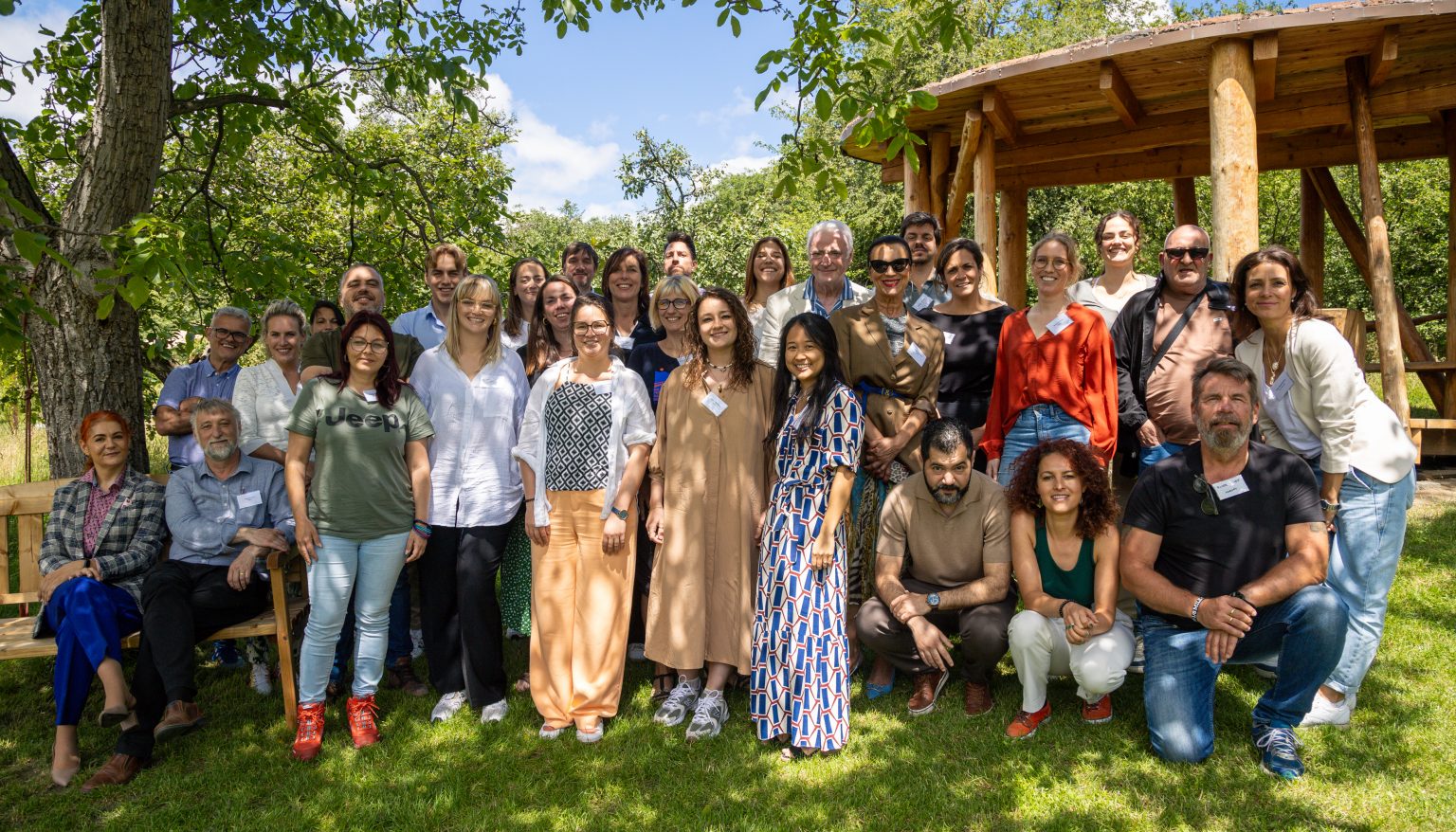
WOMEN is a project funded by the Erasmus+ Programme of the European Union. It stands for the Workspace for Mapping, Engaging, and Networking with, for, and by Incarcerated Women. The project has used a Human-Centered Design approach to create a Knowledge Workspace focused on women in detention, identifying what content and resources should be included to make the workspace most relevant and useful. Over the course of the project, workshops, site visits, and joint learning sessions have connected professionals, academics, policymakers, and people with lived experience to share expertise, highlight best practices, and contribute to a richer understanding of the needs of women involved with the justice system. The WOMEN project is a collaboration between three organizations:
- RESCALED Europe (based in Belgium) as project coordinator.
- Silta-Valmennusyhdistys ry (Finland): a non-profit, value-based, non-partisan, and non-religious association established in Tampere in 2000. Its mission is to promote social equality, participation, and well-being by supporting individuals who face barriers to employment and social inclusion.
- RUBIKON Centrum (Czech Republic): a non-profit, non-governmental organization dedicated to helping people with a criminal past reintegrate into society. Since 1994, Rubikon has supported individuals who want to turn their lives around, offering them a second chance to build a better future.
more from women
STORIES
PRACTICES
SPEAK FOR CHANGE
Library of Women Resources
Utilize our search bar to browse diverse knowledge resources on detention houses for women. Consult specific reports, articles, presentations etc. To better refine your search, use our advanced filters below!